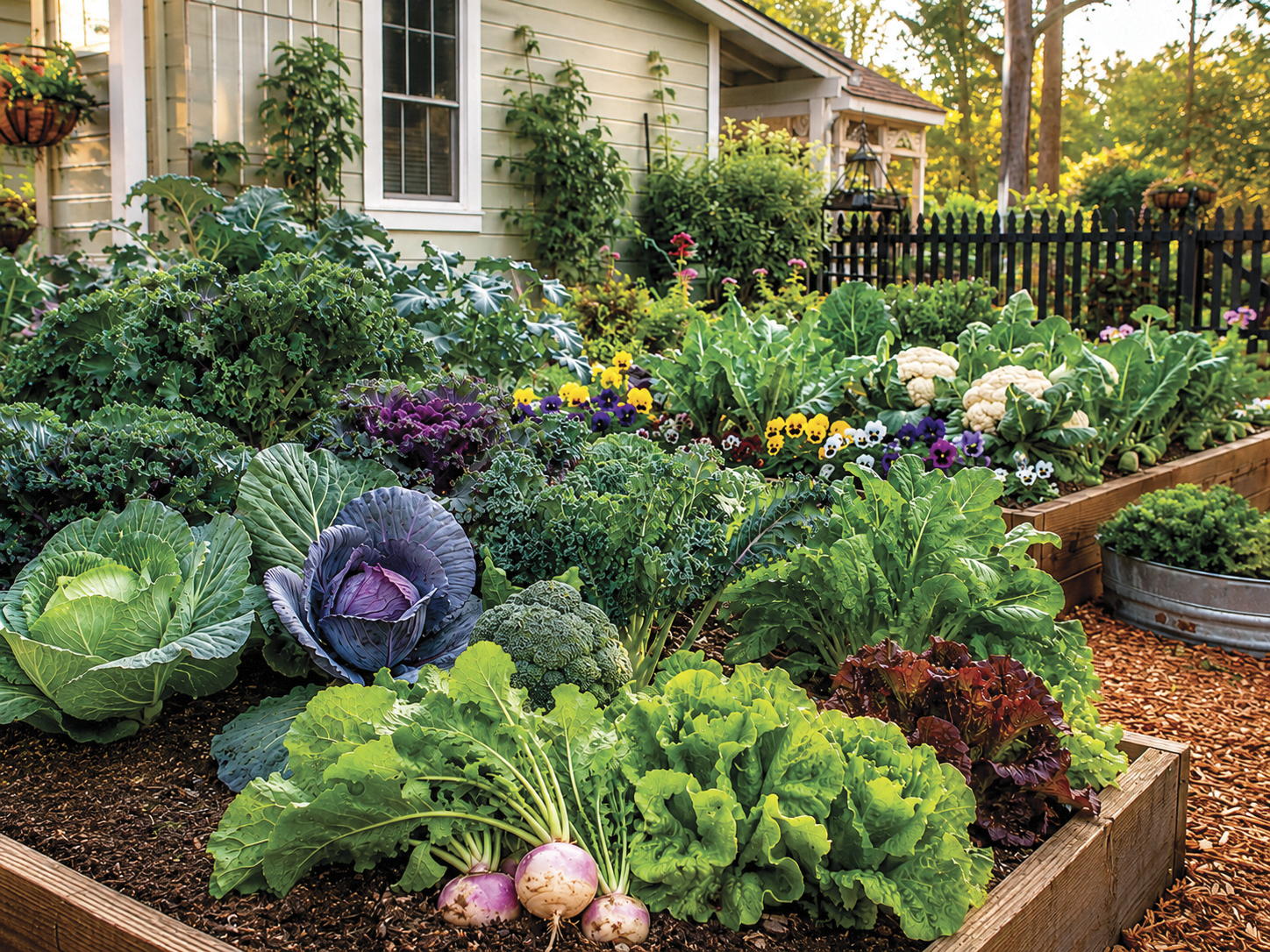
 Imagine beautiful, productive beds that beat the winter blues, and grocery prices. As summer heats up in Tallahassee, many of our colorful summer flower beds are already beginning to fade. By late fall and winter, traditional annuals often look tired or die back entirely. But this is actually one of the best times to garden in North Florida (USDA Zone 9a). Cool-season vegetables not only thrive in our mild winters but can double as attractive, edible landscaping in flower beds and borders.
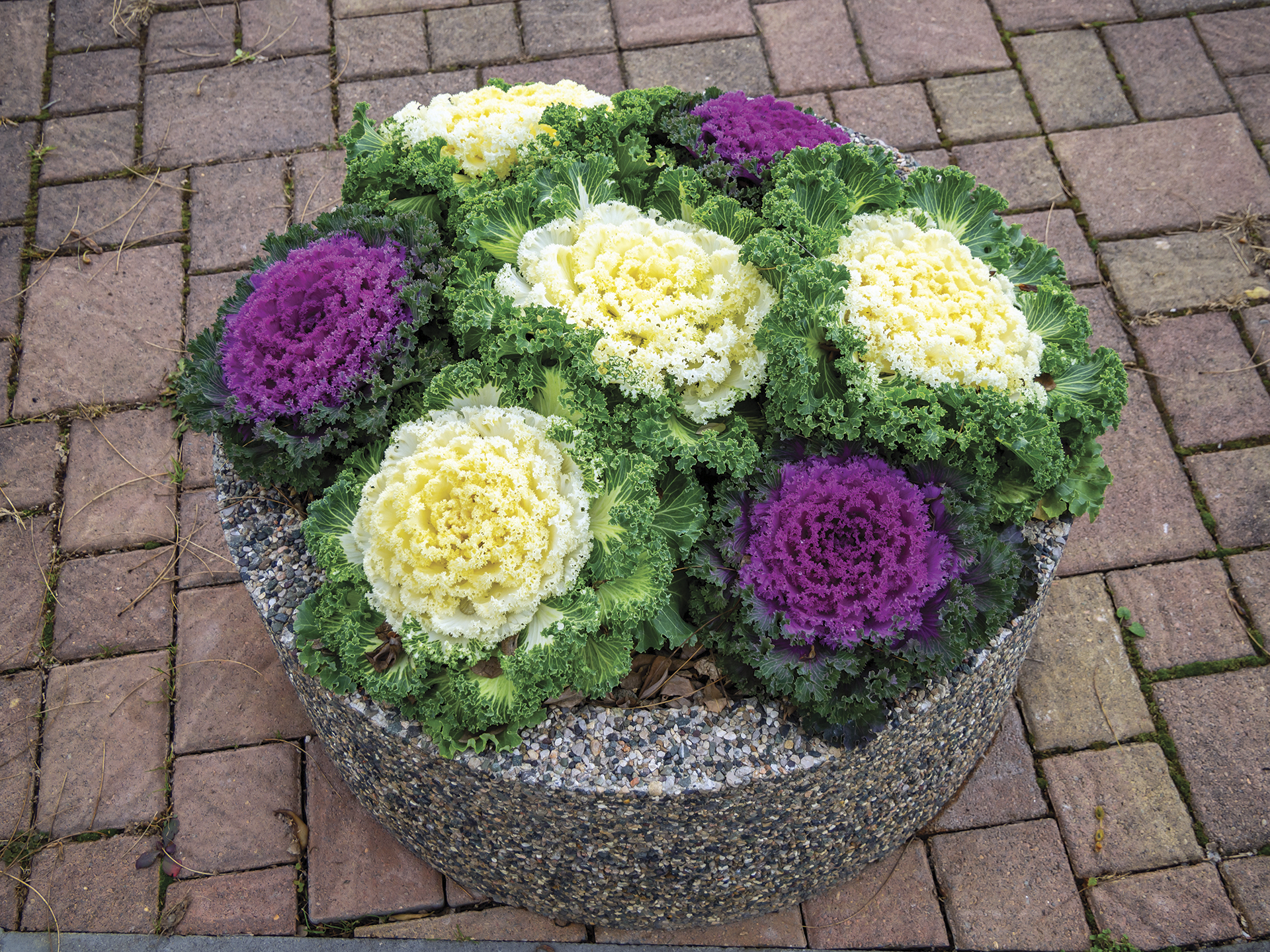
Cabbage, with its bold, sculptural heads in shades of green, purple, or blue-green, makes a striking centerpiece. Broccoli and cauliflower produce attractive florets, while frilly collards and kale add texture and height. Lettuce and spinach create lush, low-growing carpets, and turnips offer both tasty roots and edible greens. These plants are frost-tolerant to hardy, meaning they handle our occasional dips into the 20s°F with ease and often taste sweeter after a light frost.
Why Plant Now?
Save money at the grocery store: A single packet of seeds or a few transplants can yield weeks of fresh produce worth far more than the cost.
Fun for the whole family: Kids love watching colorful heads form and harvesting their own snacks.
Year-round beauty: Replace dying summer flowers with edible plants that stay attractive through winter and into spring.
Easy and low-maintenance: These crops need less water and pest control than many summer vegetables in our climate.
Local timing is perfect: Mid-to-late summer is ideal for starting many of these from seed or transplant.
Recommended Cool-Season Crops
Here’s a helpful planting guide tailored for our area (data adapted from local extension resources and The Old Farmer’s Almanac):
| Crop | Start Seeds Outdoors | Transplant | Days to Maturity | Frost Tolerance |
|---|---|---|---|---|
| Cabbage | Start indoors | Aug. 21–Sept. 4 | 90 | Frost-tolerant |
| Broccoli | Aug. 14–21 | Sept. 4–18 | 60 | Frost-tolerant |
| Lettuce | Sept. 18–Oct. 2 | N/A | 60 | Frost-tolerant |
| Turnips | Sept. 11–25 | N/A | 50 | Frost-tolerant |
| Brussels Sprouts | July 24–Aug. 7 | N/A | 100 | Frost-hardy |
| Cauliflower | Aug. 7–14 | Aug. 21–28 | 75 | Frost-tolerant |
| Collards | Aug. 7–21 | Sept. 18–Oct. 2 | 75 | Frost-hardy |
| Spinach | Sept. 25–Oct. 16 | N/A | 30 | Frost-hardy |
 Tips for Success:
Choose a sunny spot (at least 6 hours of sun) with well-draining soil amended with compost.
Use raised beds or containers for better control and fewer weeds.
Use Mulch to retain moisture and suppress weeds.
Water consistently, especially as plants establish.
Protect from hard freezes (rare but possible) with row cover or cloth if needed.
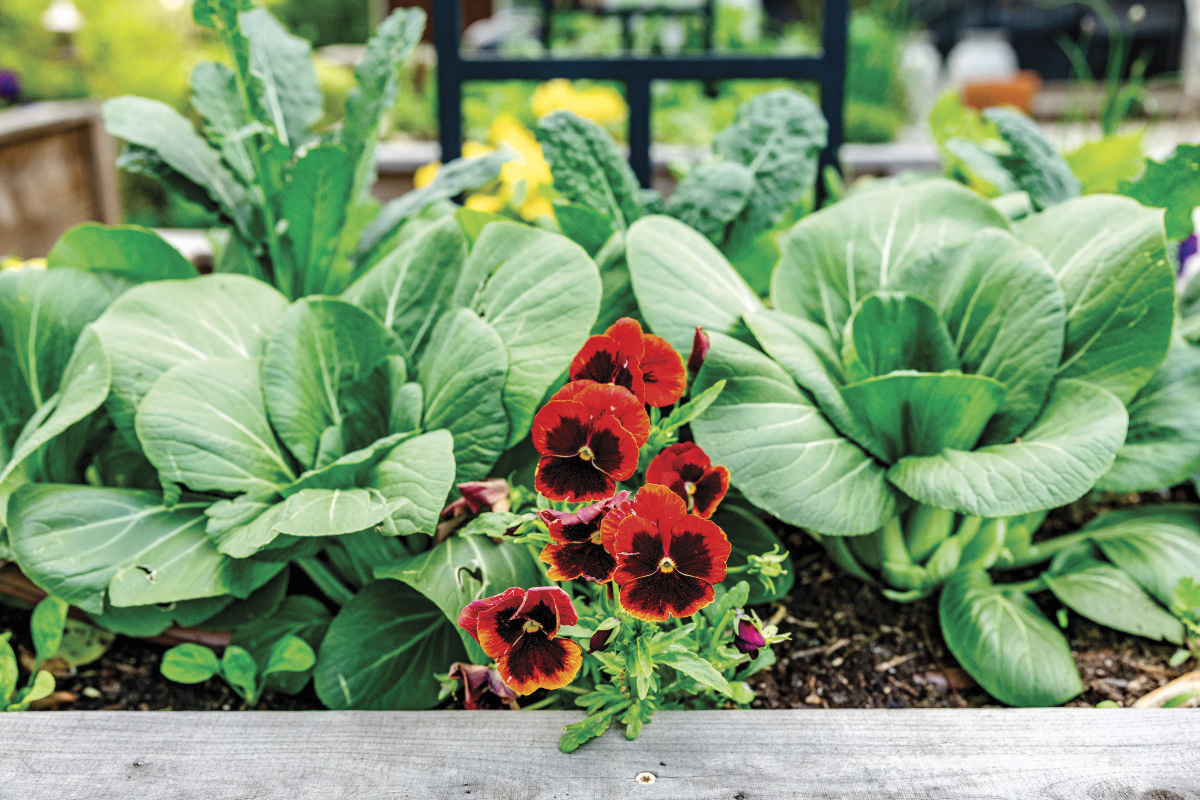
Interplant with flowers like pansies or violas for extra color and pollinator support.
Even if you start a bit later than the ideal windows, many of these crops (especially lettuce, spinach, and greens) can still be planted into early fall with good results. It’s truly not too late—your winter garden can be both productive and beautiful. Start small this year: Convert one tired flower bed into a mixed edible landscape. You’ll enjoy fresh harvests, lower grocery bills, and a yard that stays lively when others go dormant. Tallahassee’s climate gives us this wonderful “second season”—let’s makes the most of it!
Alan Lashbrook
Sources: garden.org & almanac.com