Tallahassee and its surrounding Red Hills region once teemed with diverse avian life, from dense pine forests to coastal wetlands. Today, many iconic species have disappeared or teeter on the brink of local extinction, primarily due to habitat loss. Urban development, agriculture, logging, and fire suppression have fragmented and degraded the specialized ecosystems these birds require. While some conservation efforts show promise, the story in North Florida underscores a broader crisis.
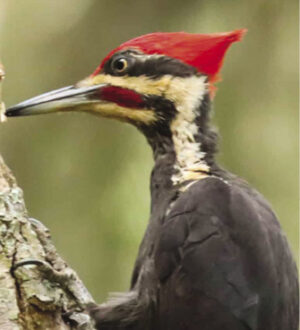 The ivory-billed woodpecker (Campephilus Principalis), a majestic bird with a striking white bill and powerful drumming call, was once widespread across Florida’s old-growth forests, including areas near Tallahassee. Massive cypress swamps and mature bottomland hardwoods provided their habitat. By the mid-20th century, extensive logging and habitat destruction had pushed it to the edge. Officially presumed extinct (with federal delisting efforts reflecting this reality), unconfirmed sightings persist, but the bird’s disappearance symbolizes the irreversible cost of clearing ancient forests.
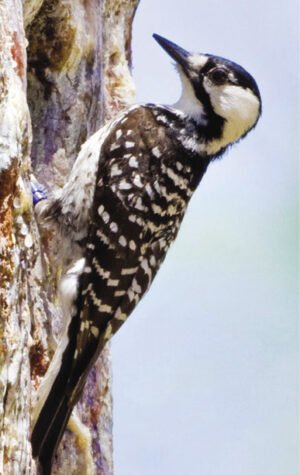 In contrast, the red-cockaded woodpecker (Dryobates Borealis) still clings to existence in the Red Hills around Tallahassee. This small, social pine specialist requires mature longleaf pine forests with trees infected by red heart fungus for nesting cavities. Decades of fire suppression, logging, and land conversion reduced its numbers drastically, leading to its federal Threatened status. Thanks to collaborative efforts by landowners, Tall Timbers Research Station, and agencies, the local population has grown to around 240 family groups, a rare success story. Yet it remains vulnerable to further habitat fragmentation.
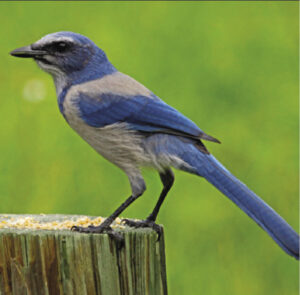 The Florida scrub-jay (Aphelocoma Coerulescens), the state’s only endemic bird, faces even steeper challenges. It thrives in open, sandy scrub habitats maintained by frequent fires. While its core range lies in central and southern Florida, historical populations or vagrants reached northern areas. Rapid development and overgrown scrub due to fire suppression have caused an 80-90% population decline statewide, leaving it federally Threatened. Without large, connected scrub patches, these intelligent, family-oriented birds cannot persist.
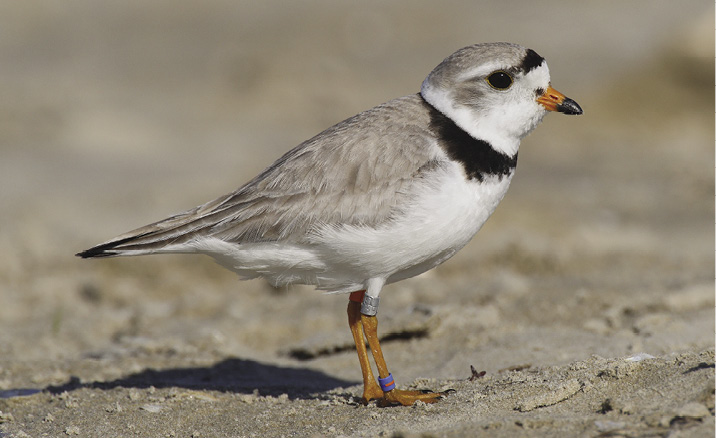
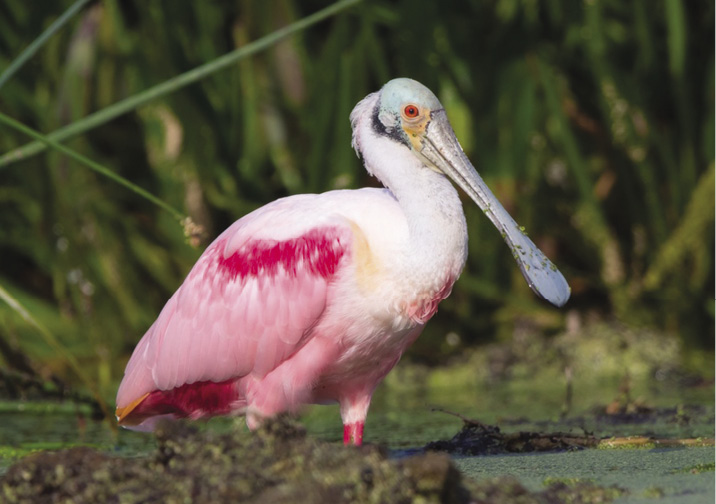
Coastal and wetland species have also suffered. The piping plover (Charadrius Melodus), a tiny shorebird, winters along Florida’s coasts, including potential areas near the Gulf. Beach development, erosion, and human disturbance destroy its critical sandy nesting and foraging grounds, earning it federal Threatened status. Similarly, the elegant Roseate Spoonbill (Platalea Ajaja), with its vivid pink plumage and spoon-shaped bill, once more common in Florida wetlands, saw declines from habitat loss and historical plume hunting. State-designated as Threatened in Florida, it relies on shallow coastal marshes and mangroves now pressured by development and water management changes.
Habitat loss drives nearly all these declines. In the Tallahassee area, conversion of pine flatwoods, scrub, and wetlands for housing, roads, and agriculture has left isolated fragments insufficient for viable populations. Climate change, invasive species, and disturbance compound the problem. Conservation tools like prescribed burns, land easements, and protected areas offer hope—as seen with red-cockaded woodpecker recovery—but sustained action is essential. Protecting remaining habitats not only saves birds but preserves the ecological richness that makes North Florida special. The silent forests and empty shores serve as a poignant reminder: once lost, some wings may never return. 
Alan Lashbrook