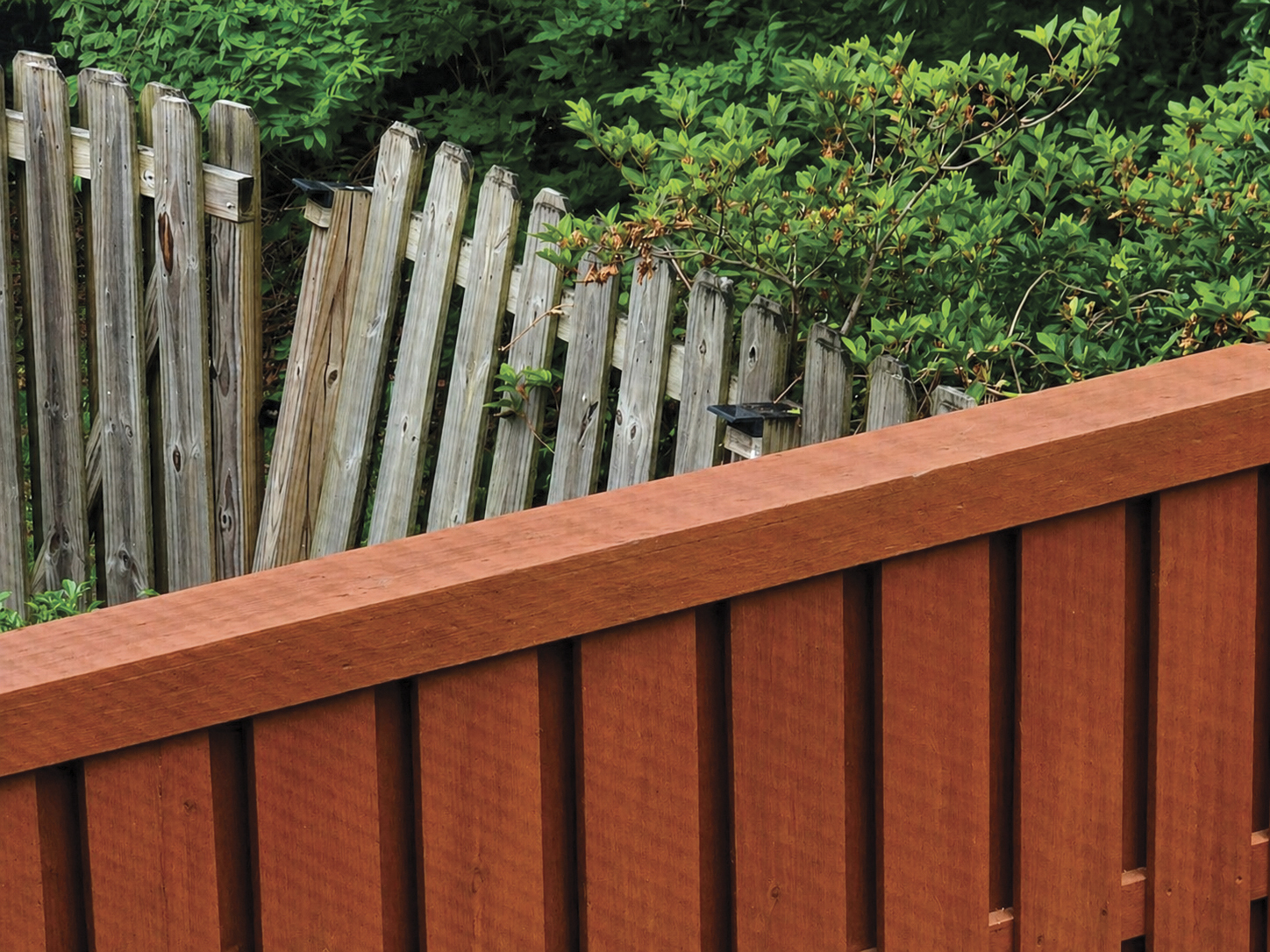
In Florida, wood fences and decks bring natural beauty and backyard charm, but our intense subtropical climate can turn that investment into a costly headache faster than you might expect. With relentless sunshine, frequent downpours, and high humidity, unprotected wood faces a daily assault that leads to fading, cracking, warping, and rot. Proper staining and sealing are not optional luxuries—they are essential maintenance steps that can dramatically extend the life of your outdoor wood structures.
Florida’s sun is particularly unforgiving. Ultraviolet (UV) rays break down the lignin in wood fibers, causing the material to gray, weaken, and become brittle. Heat from direct sunlight draws out natural moisture, leading to shrinking, splitting, and splintering. Meanwhile, our heavy rains and persistent humidity allow water to penetrate deep into the wood, promoting mold, mildew, and fungal decay that can soften boards and compromise structural integrity. Without protection, a new pressure-treated wood fence or deck can show noticeable deterioration within just one to two years.
The Tale of Two Neighbors
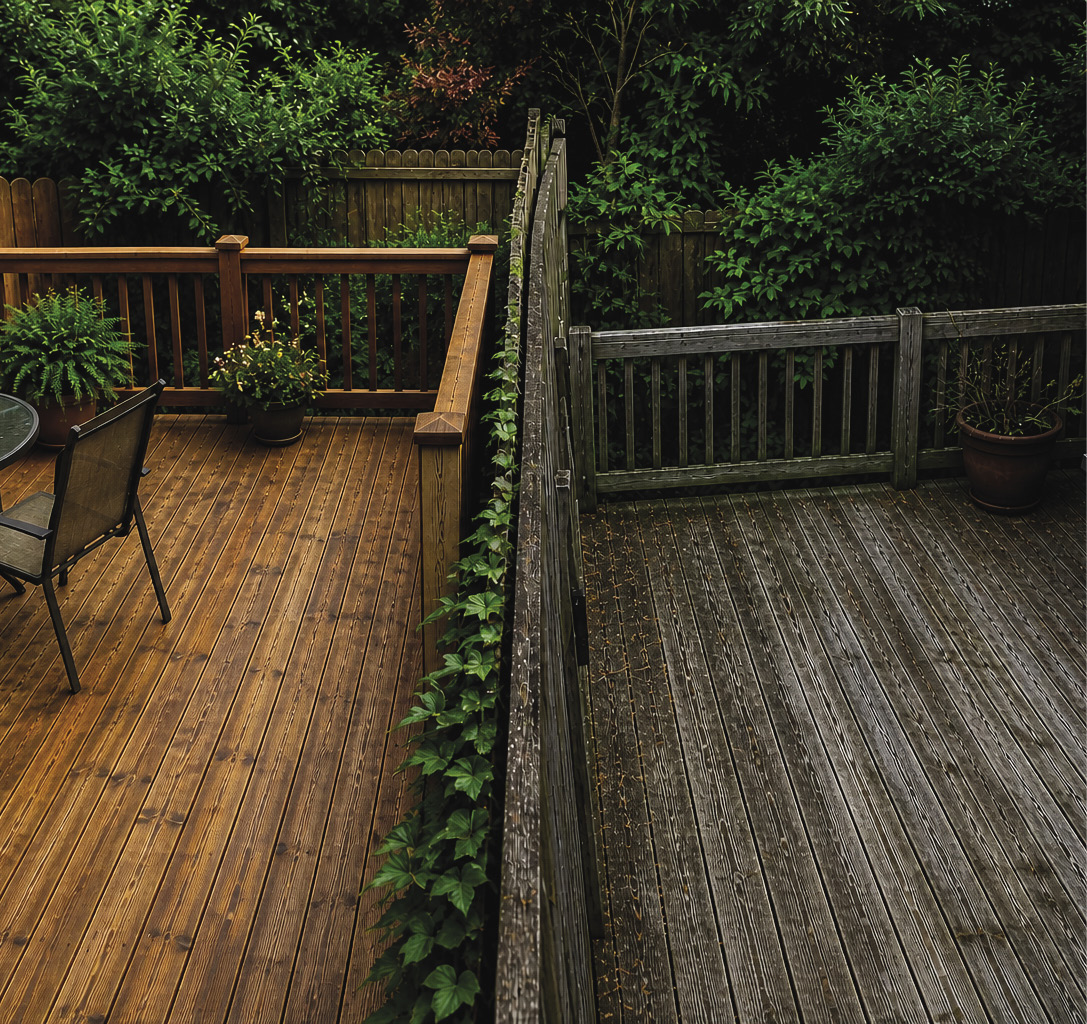
Consider two neighbors in a typical North Florida subdivision who installed identical cedar or pressure-treated pine fences and decks at the same time three years ago.
Neighbor A took the time to properly prepare and finish his wood immediately after installation (once the wood had dried sufficiently). He applied a high-quality penetrating stain and sealer with strong UV inhibitors and water-repellent properties. Today, his fence and deck still look rich and natural, with vibrant color, intact grain, and solid, warp-free boards. The wood has resisted cracking and shows minimal mildew, even after countless afternoon thunderstorms and scorching summers.
Neighbor B, on the other hand, installed his fence and deck but skipped the finishing step, thinking the pressure treatment would be enough. Three years later, the difference is stark. His wood has faded to a dull, weathered gray. Boards show deep cracks and cupping from repeated swelling and shrinking. Mildew and surface rot are visible in shaded or lower sections, and some pickets have begun to warp, making the gate stick. What started as a similar investment now looks neglected and will likely require expensive repairs or full replacement much sooner. The contrast is a powerful lesson: skipping the stain and sealer in Florida is false economy.
When Should You Stain or Seal?
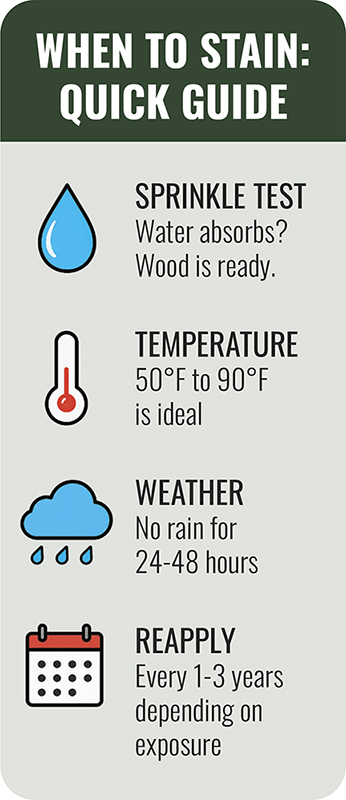
For new pressure-treated wood, timing is critical. While older advice suggested waiting six months to a year, modern treatments (like micronized copper) often allow staining within 30 days—or as soon as the wood is dry enough. Use the simple “sprinkle test”: splash a few drops of water on the surface. If the water beads up, wait longer. If it absorbs quickly, the wood is ready. Apply in mild weather, ideally when temperatures are between 50°F and 90°F and no rain is forecast for 24–48 hours. South- and west-facing surfaces that bake in full sun may need attention more often, while shaded areas hold up longer but still require protection against humidity and rain.
Choosing the Right Products for Florida Conditions
Look for penetrating oil-based or advanced water-based stains and sealers that contain UV blockers, mildewcides, and strong water repellents. These products soak into the wood rather than forming a surface film that can peel or blister in our humid climate.
Clear or lightly tinted penetrating sealers work well if you want to preserve the natural look, while semi-transparent stains add color and extra UV defense without hiding the grain. Avoid cheap film-forming paints or basic sealers that trap moisture and fail quickly here.
Final Tips for Longevity
- Clean the wood thoroughly (power wash and let dry) before reapplying.
- Ensure good airflow around fences and decks to reduce trapped moisture.
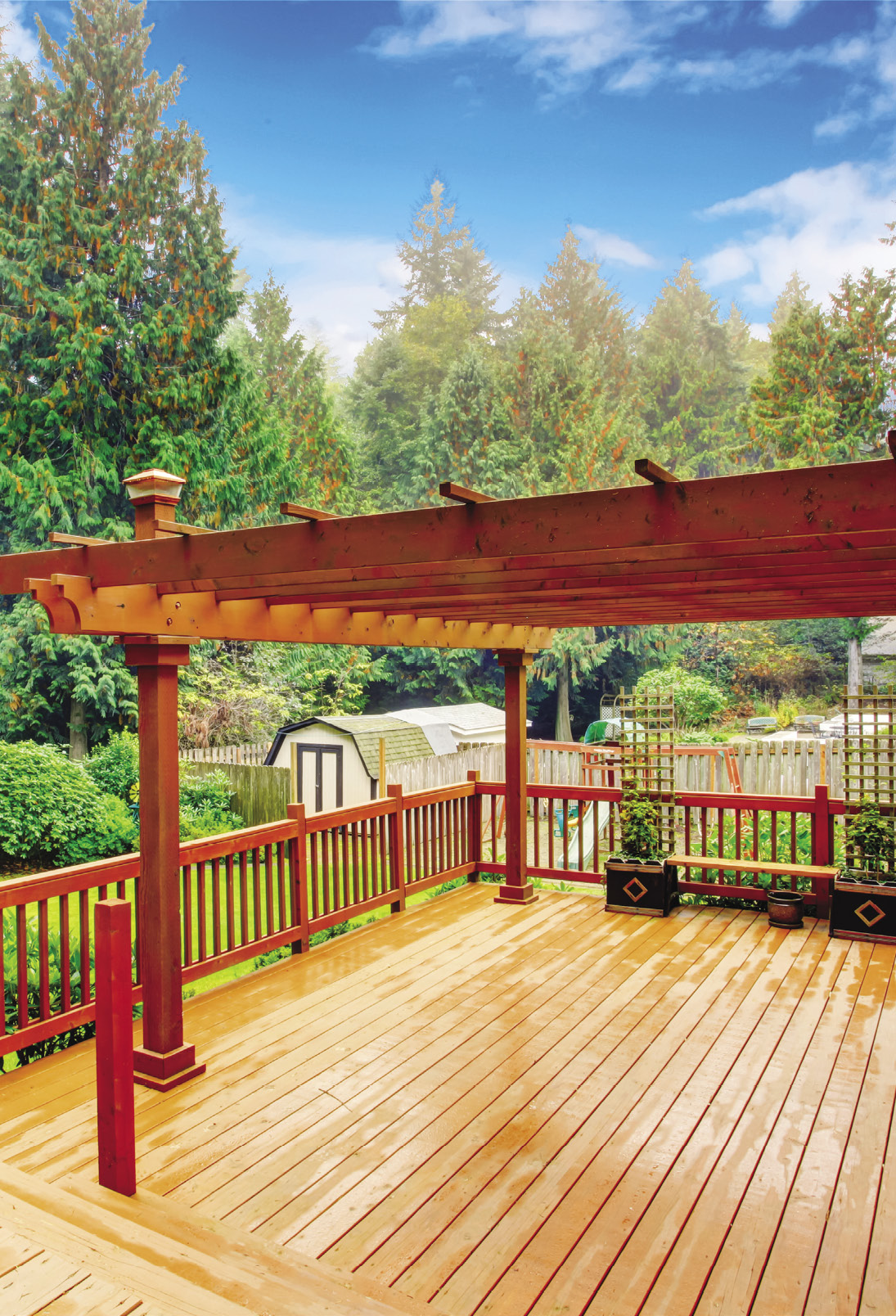
- In Florida’s climate, proactive protection pays off handsomely—extending the beauty and lifespan of your wood by many years while saving money on premature repairs.
- Don’t let the sun and rain win the battle. Like Neighbor A, invest a little time and the right products upfront. Your fence and deck will thank you with years of reliable service and curb appeal.


Dale Joyce