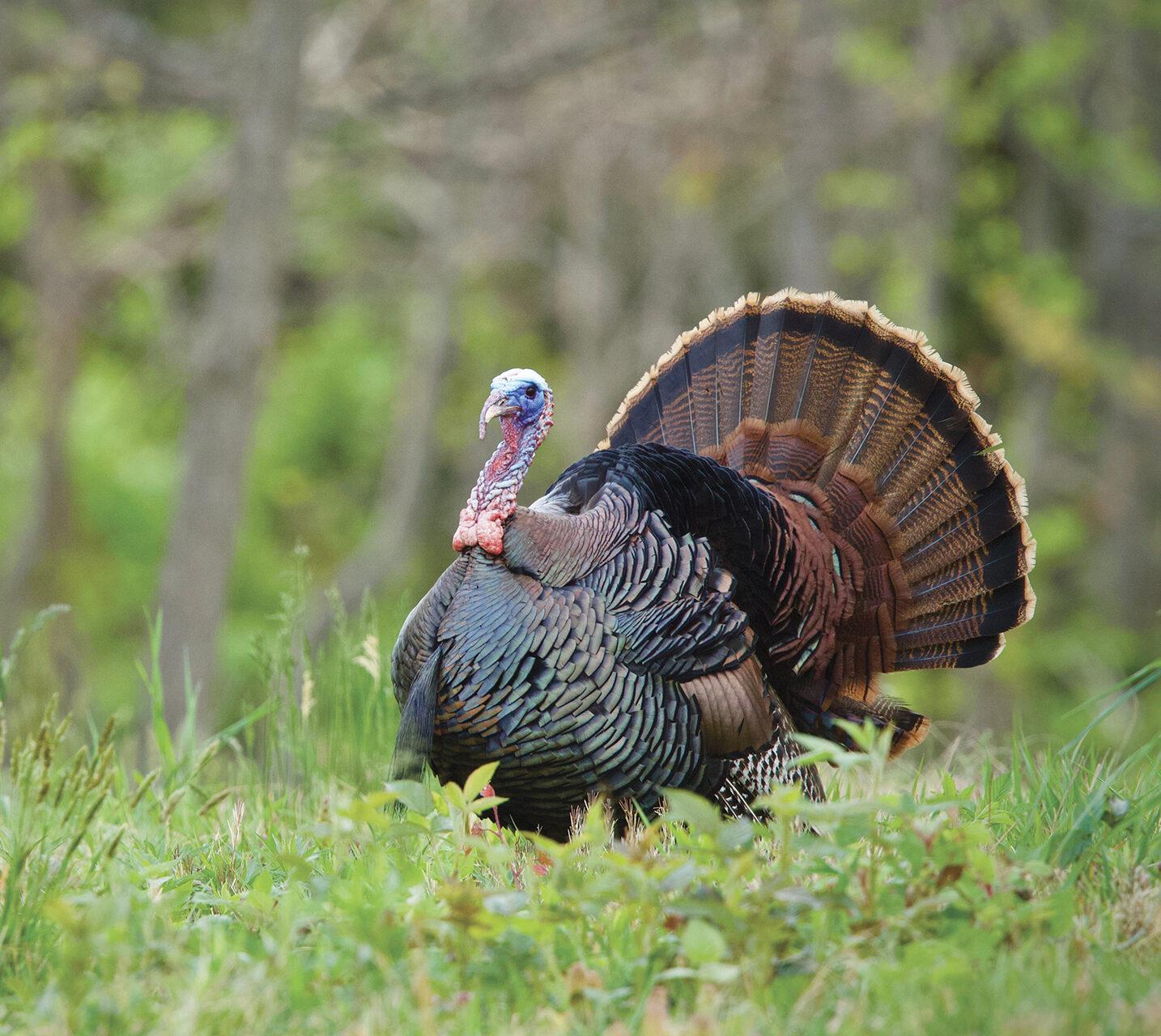
 Florida offers some of the finest wild turkey hunting in the Southeast, thanks to healthy populations of the iconic Osceola (Florida) subspecies and the overlapping Eastern wild turkey. Hunters pursue these wary, majestic birds across the state’s diverse woodlands, pine flatwoods, and swamp edges. Only gobblers and bearded turkeys may be harvested, adding challenge and tradition to the sport.
Turkey Characteristics and Habits
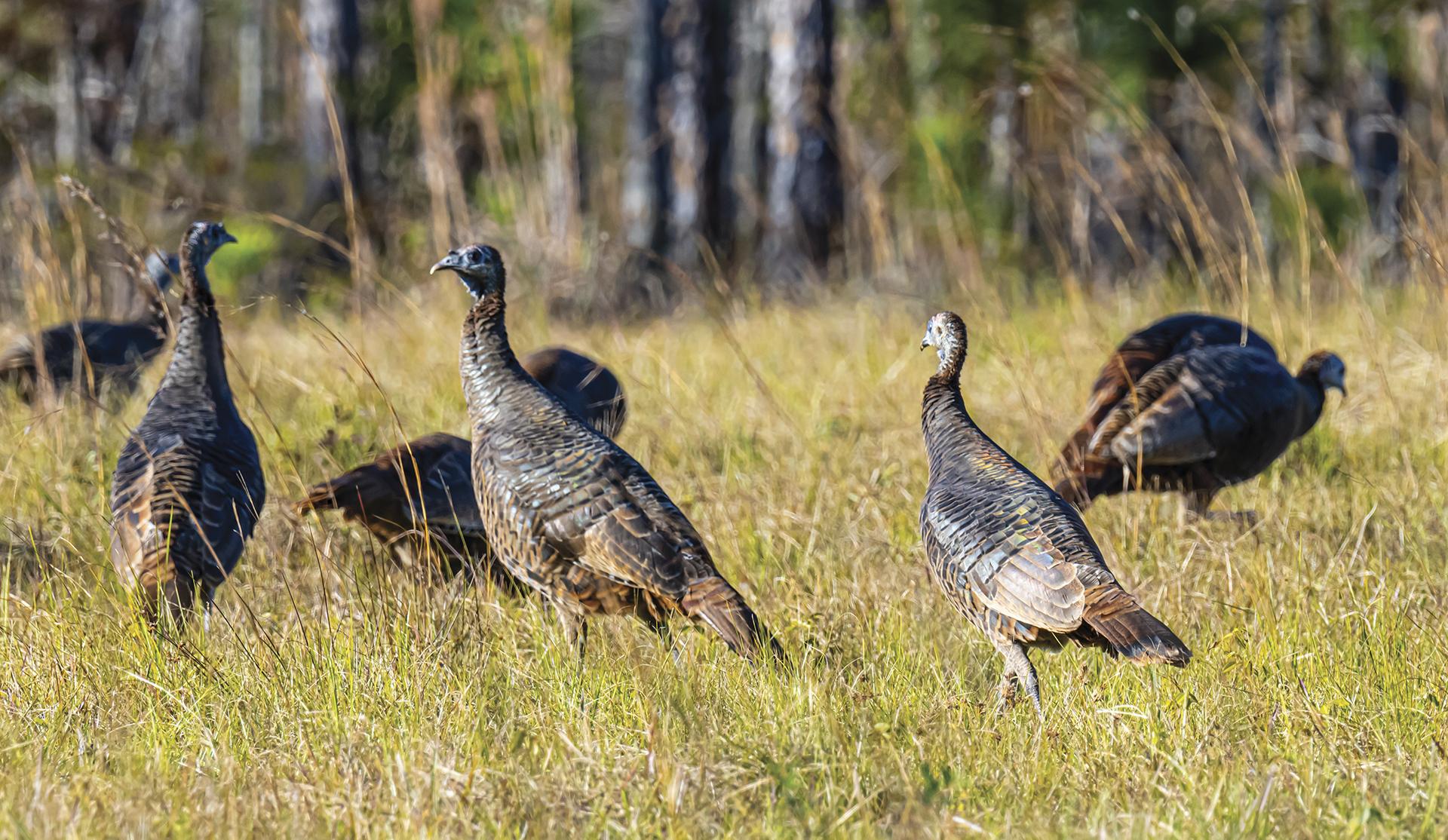
Wild turkeys are large, ground-dwelling birds with long legs, wide rounded tails, and a small head on a slender neck. Adult males (toms or gobblers) weigh about 20 pounds, sport iridescent bronze feathers, a fleshy red-white-blue head with prominent caruncles (wattles), and a distinctive beard on the chest. Females (hens) are smaller and duller, usually without a prominent beard.
Florida is home to two subspecies: the Osceola turkey, found primarily in the peninsula, distinguished by narrower, irregular white bars on its primary wing feathers (giving the wings a darker appearance), and the Eastern turkey in the Panhandle and northern areas, where the two interbreed.
Turkeys are generalists that thrive in open forests, forest edges, and clearings. They roost in trees at night for safety, forage on the ground during the day for acorns, seeds, berries, insects, and even small reptiles, and can cover hundreds of acres while feeding. They are powerful short-distance fliers (up to 55 mph) but prefer walking. In spring, gobblers strut with fanned tails and loud gobbles to attract hens—a thrilling sound that draws hunters into the woods. They are highly social yet extremely wary, often fleeing at the slightest disturbance.
Season Dates
The premier hunting opportunity is the spring turkey season, when gobblers are vocal and responsive to calls.
- South of State Road 70: Opens March 7 and runs through April 12, 2026 (youth hunt: Feb. 27–March 2).
- North of State Road 70: Opens March 21 and runs through April 26, 2026 (youth hunt: March 13–16).
Check with local authorities regarding hunting zones (private lands and wildlife management areas), required permits, and legal arm and ammunition.
 Decoys are allowed on private lands; dogs, recorded calls, roost shooting, and baiting within 100 yards of feeders are prohibited everywhere.
Geographical Considerations
Turkey hunting is available statewide wherever suitable habitat exists, but please be responsible and know the law.
With a valid hunting license and turkey permit, Florida’s spring woods come alive with opportunity. Whether chasing the darker-winged Osceola in the south or Eastern birds up north, a successful hunt rewards patience, calling skill, and respect for one of the state’s most charismatic game birds. Always consult the latest FWC regulations at MyFWC.com for updates. Happy hunting! 
Alan Lashbrook